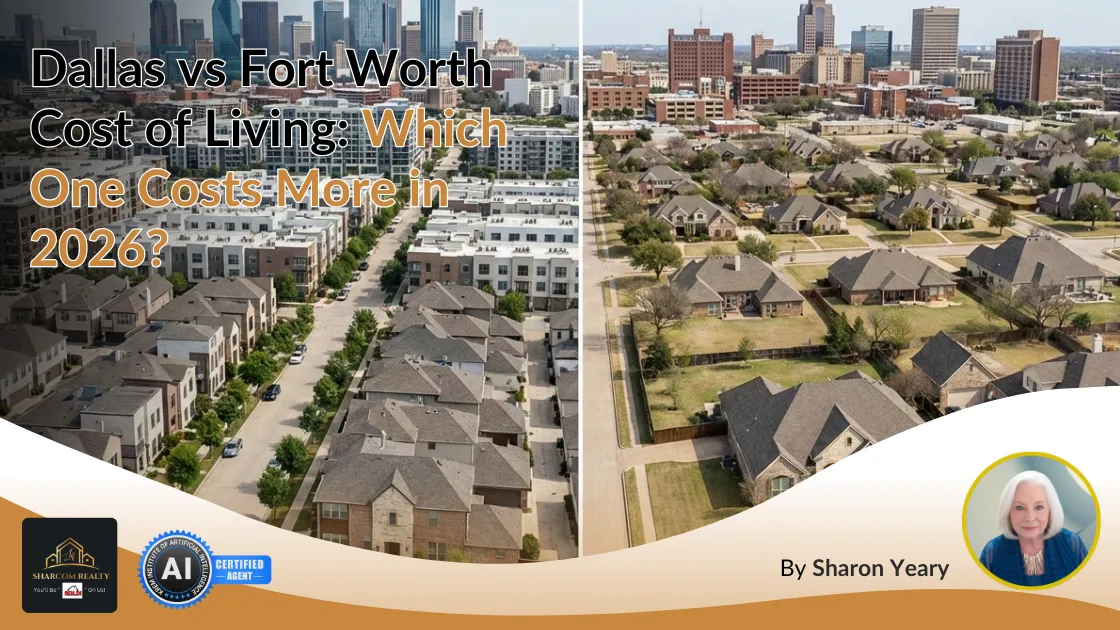
Is It More Expensive to Live in Dallas or Fort Worth? | DFW
Is It More Expensive to Live in Dallas or Fort Worth?
Dallas vs Fort Worth Cost of Living Comparison for 2026
If you are considering a move within North Texas, one of the most common and smartest questions people ask is: Is it more expensive to live in Dallas or Fort Worth?
The short answer is yes, Dallas generally costs more. The better answer is that it depends on what matters most to you. Housing prices, property taxes, commuting patterns, and lifestyle choices all play a role in how expensive a city actually feels.
As a Texas Real Estate Broker serving the Dallas–Fort Worth metro area, including Dallas, Fort Worth, Plano, Irving/Las Colinas, Grapevine, Southlake, Trophy Club, Arlington, Bedford, Euless, Hurst, North Richland Hills, and Flower Mound, I help clients look beyond headlines and understand real-world costs.
This guide breaks it all down clearly so you can make a confident decision.
Quick Answer
Dallas is typically more expensive to live in than Fort Worth, mainly due to higher housing prices and a higher overall cost of living. Fort Worth often offers more space and value for the budget, especially for homeowners.
What Is “Cost of Living” in Dallas vs Fort Worth?
When people compare Dallas vs Fort Worth cost of living, they are usually combining two things:
Housing costs (purchase price, rent, insurance, taxes)
Lifestyle costs (commute, dining, entertainment, daily convenience)
A widely used benchmark is the C2ER Cost of Living Index, where 100 equals the U.S. average. In one published summary, Dallas is shown above average while Fort Worth is shown below average.
External reference for the index source: C2ER Cost of Living Index

Dallas vs Fort Worth Housing Costs
Housing is the biggest reason Dallas is generally more expensive.
Dallas tends to have higher median home prices, especially in established and centrally located neighborhoods. Buyers often pay a premium for proximity to major business centers, dining, and entertainment.
Fort Worth typically offers more affordable housing options, especially when comparing square footage, lot size, and newer construction. Many buyers feel they get more home for their money in Fort Worth.
This difference becomes even more noticeable in the upper-market and luxury price ranges, where Fort Worth often delivers more value per dollar.
Dallas vs Fort Worth Rent Prices
Rent prices between Dallas and Fort Worth are often closer than home prices, but Dallas usually runs slightly higher.
Dallas rental markets benefit from dense employment centers and walkable urban amenities, which drive demand. Fort Worth rentals tend to be more value-oriented, with larger units and slightly lower average rents.
For renters planning to eventually buy, this difference can impact how quickly they are able to save.
Property Taxes in Dallas and Fort Worth
Texas does not have a state income tax, so property taxes play a larger role in overall affordability.
Property tax rates can vary significantly depending on the city, school district, and exemptions. Two homes with the same price can have very different monthly payments depending on location.
This is why determining which city is “cheaper” requires looking at the full monthly picture, not just the purchase price.

Everyday Living Expenses
Beyond housing, daily expenses influence how expensive a city feels.
Dallas often has higher costs for dining, entertainment, parking, and commuting, especially for those working in central business districts.
Fort Worth generally offers easier commuting patterns, less congestion, and slightly lower day-to-day expenses, which many residents appreciate over time.
Lifestyle choices matter here. A shorter commute or easier parking can quietly save thousands of dollars per year.
How Your Focus Areas Typically Compare
Here is how cost perception often plays out across the areas I serve:
Dallas and Plano typically fall on the higher end due to housing prices and strong demand.
Irving and Las Colinas sit in the middle, offering a balance between access and cost.
Grapevine, Flower Mound, Trophy Club, and Southlake trend higher due to schools, amenities, and prestige.
Fort Worth, Arlington, Bedford, Euless, Hurst, North Richland Hills, and Richland Hills often provide more value-driven options with lower overall housing costs.
The key takeaway is that North Texas affordability varies more by neighborhood than by city name alone.
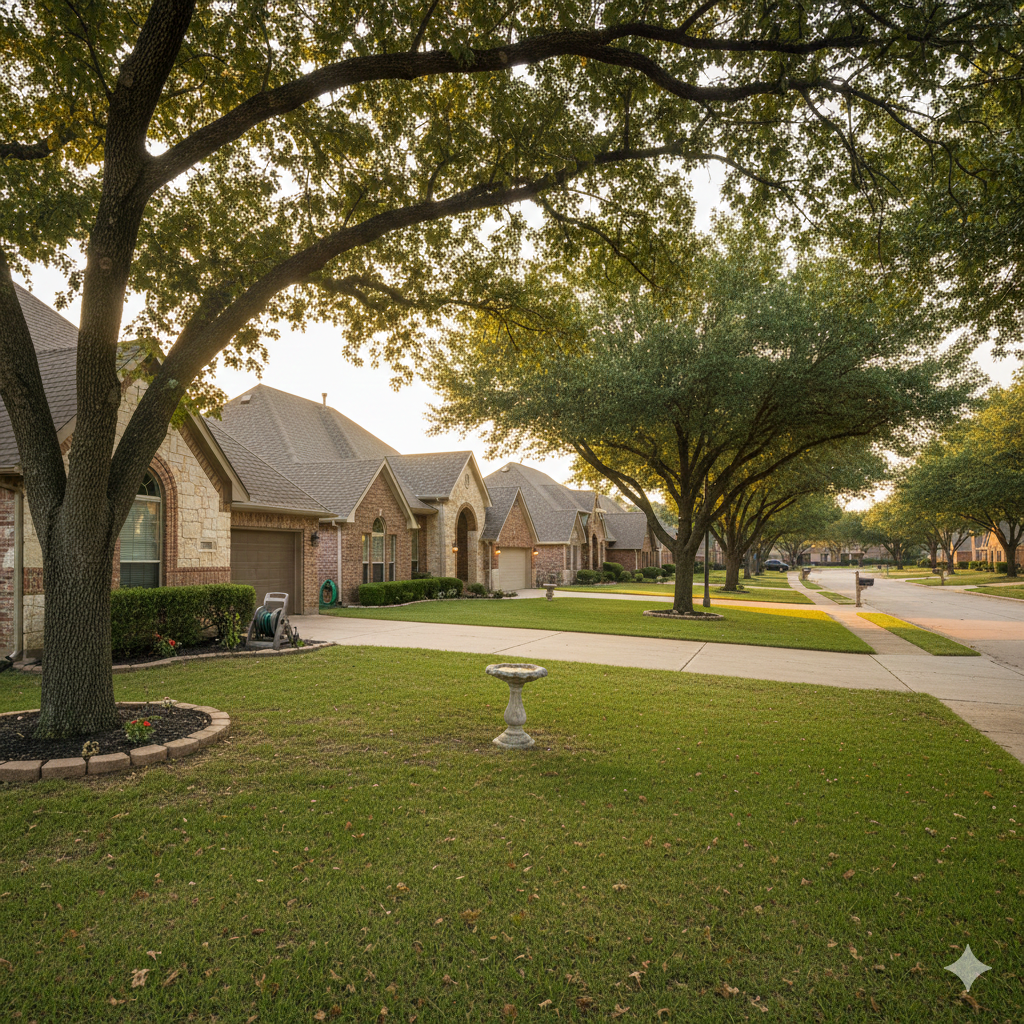
Professional Insight From the Field
What I consistently see is this: people who choose based solely on the cheapest option often end up unhappy. People who choose based on lifestyle fit, commute, and long-term comfort tend to feel confident in their decision years later.
The “right” city is not always the cheapest. It is the one that supports how you want to live.
Moving Forward With Clarity
Choosing between Dallas and Fort Worth does not have to feel overwhelming. When you compare housing costs, property taxes, commute patterns, and lifestyle preferences together, the answer usually becomes clear.
If you are relocating, upsizing, downsizing, or comparing options across the DFW metro area, a clear cost breakdown and local insight can make all the difference.
If you would like to talk through your specific situation, you can start here:
https://sharcomrealty.com/connect
If you are curious about your current home’s value before making a move, check here:
https://sharcomrealty.com/home-value
To see what clients say about working with me, visit:
https://sharcomrealty.com/reviews
Frequently Asked Questions
Is it more expensive to live in Dallas or Fort Worth?
Dallas is usually more expensive overall, especially for housing. Fort Worth often offers more value and slightly lower overall cost benchmarks.
Which is cheaper, Dallas or Fort Worth for buying a home?
Fort Worth is often cheaper for buying a home based on recent median sale prices and many neighborhood price points.
Are Dallas vs Fort Worth rent prices very different?
They can be close, but Dallas often runs higher. Recent rent tracking shows Dallas slightly above Fort Worth.
What makes the biggest cost difference between Dallas and Fort Worth?
Housing costs and location choices usually create the biggest gap. Taxes and commute patterns can also change the monthly picture significantly.
What makes working with Sharon Yeary different?
I help clients compare real monthly costs, not just list prices, and I use market-based pricing tools plus local strategy to guide smarter decisions across DFW.